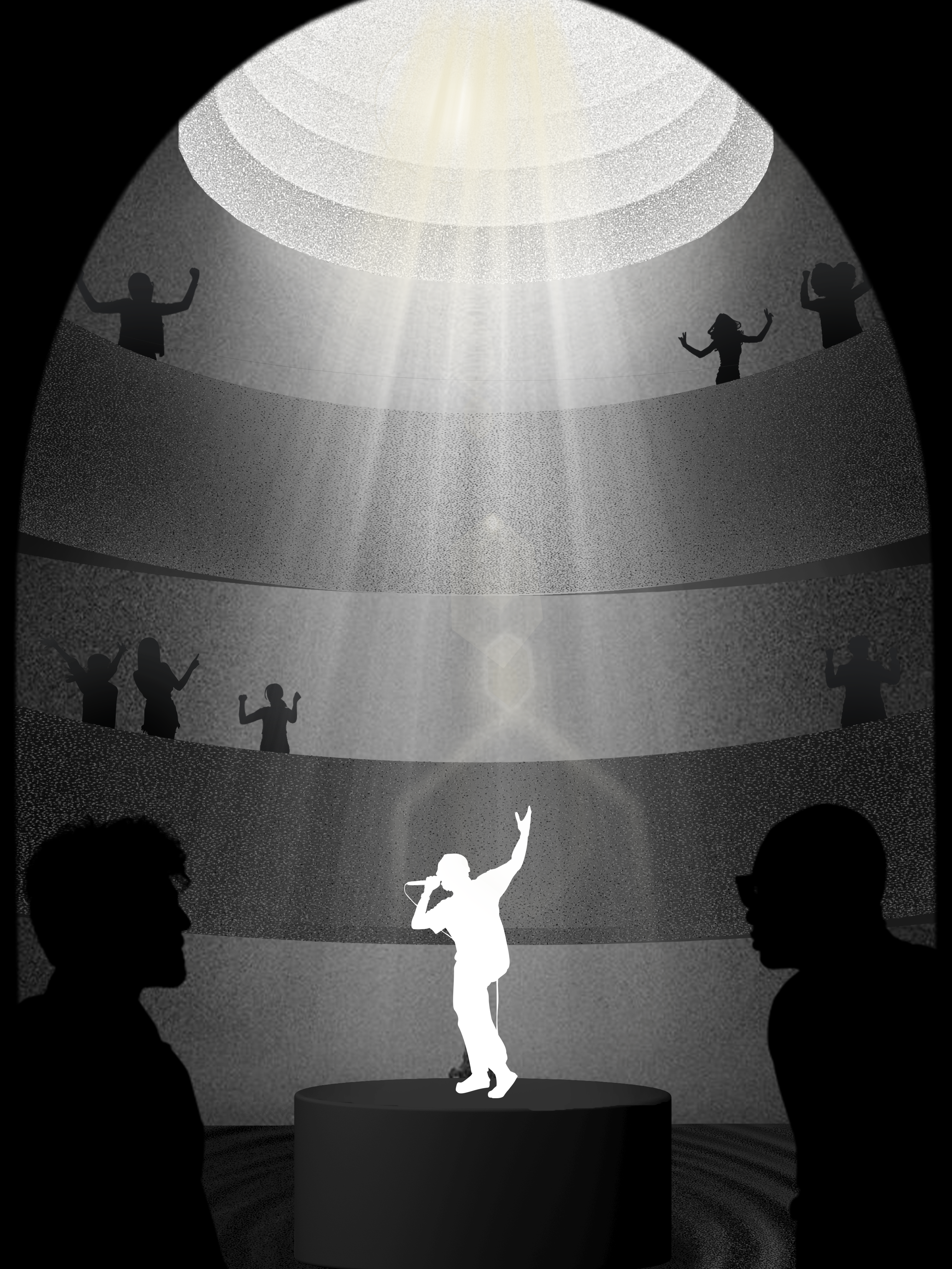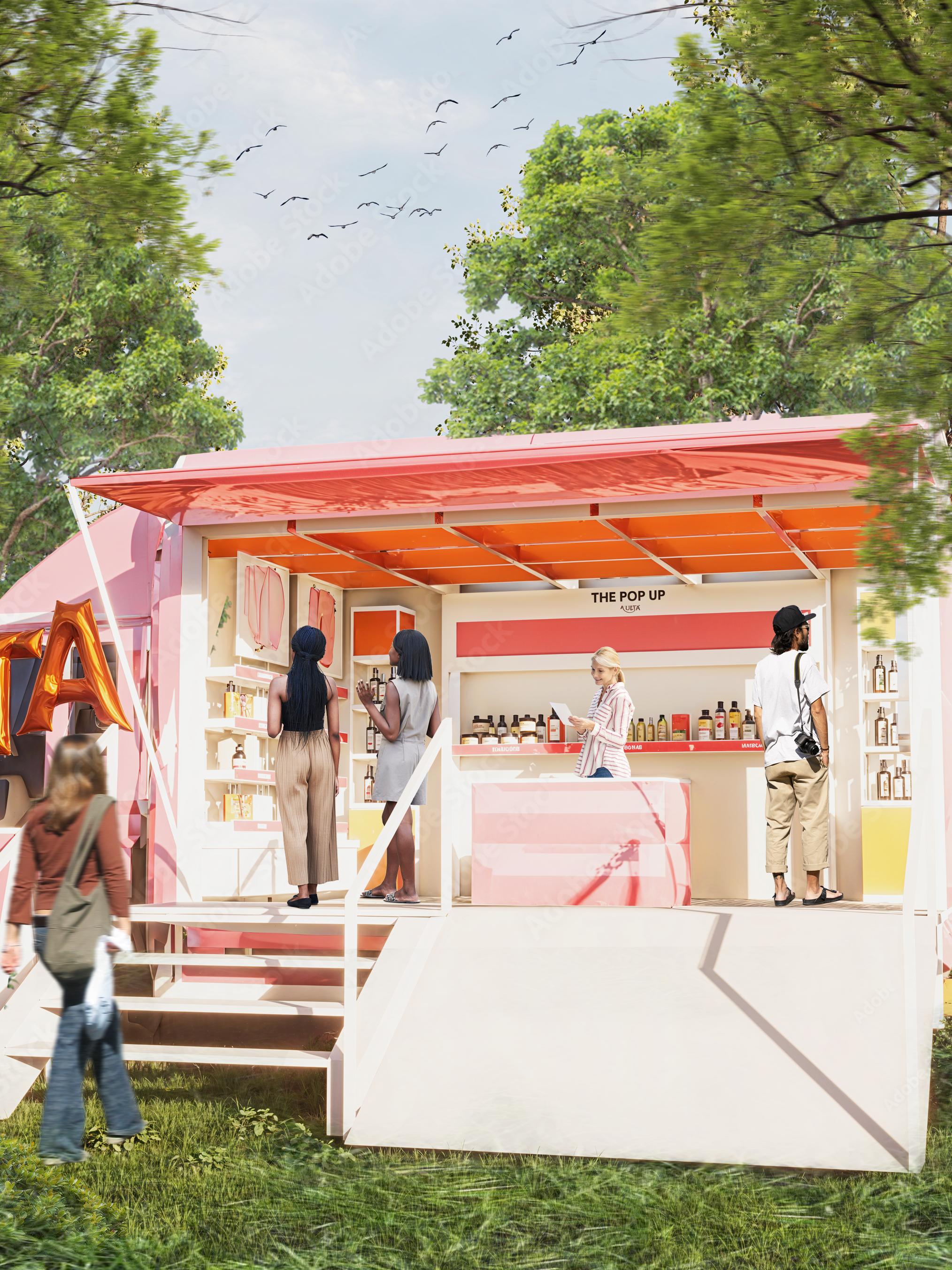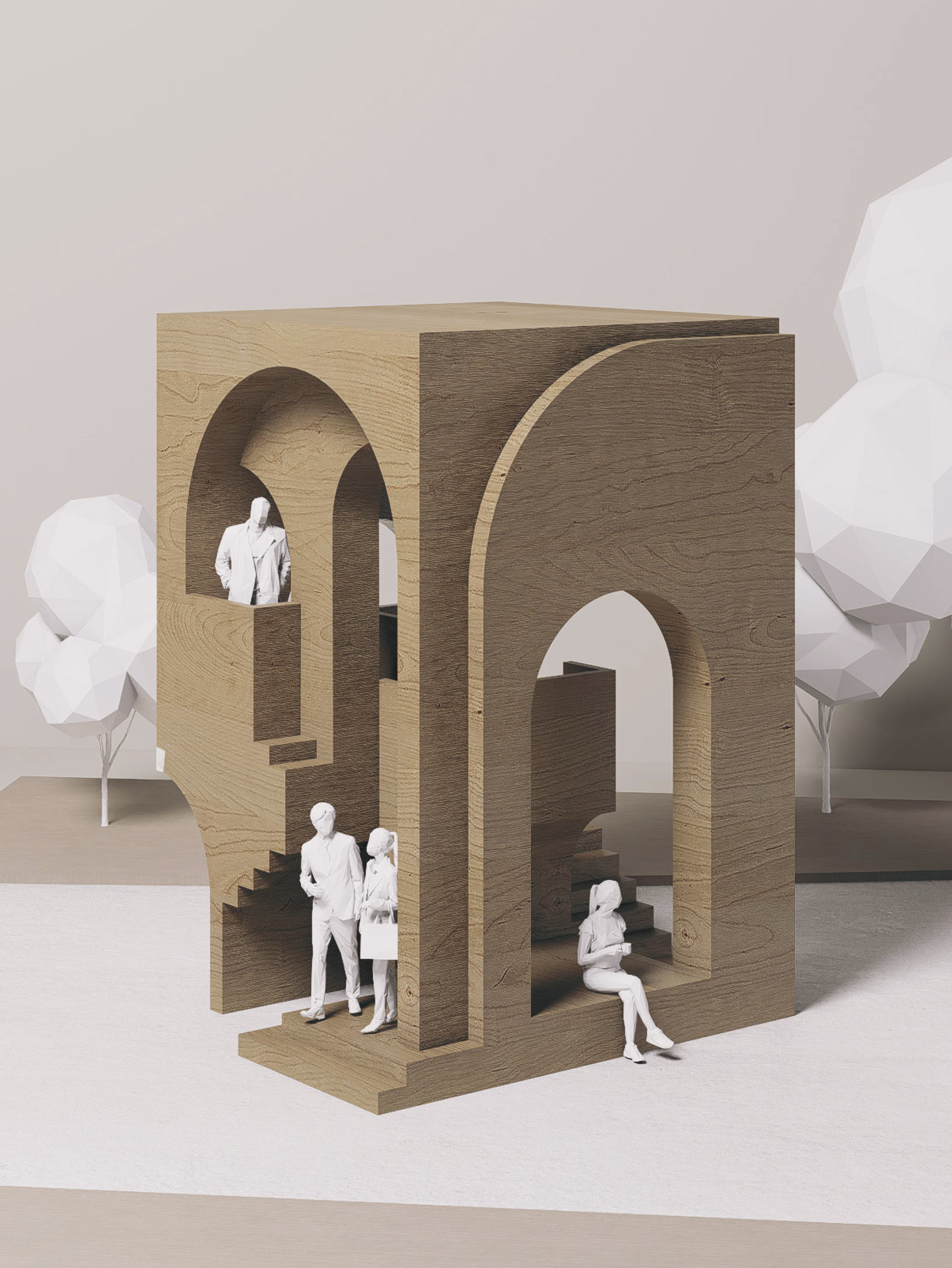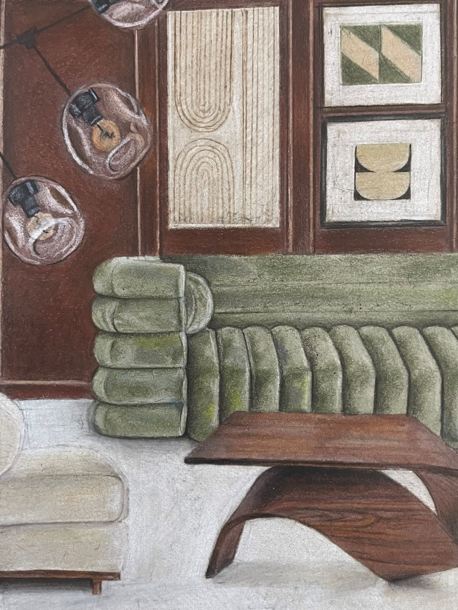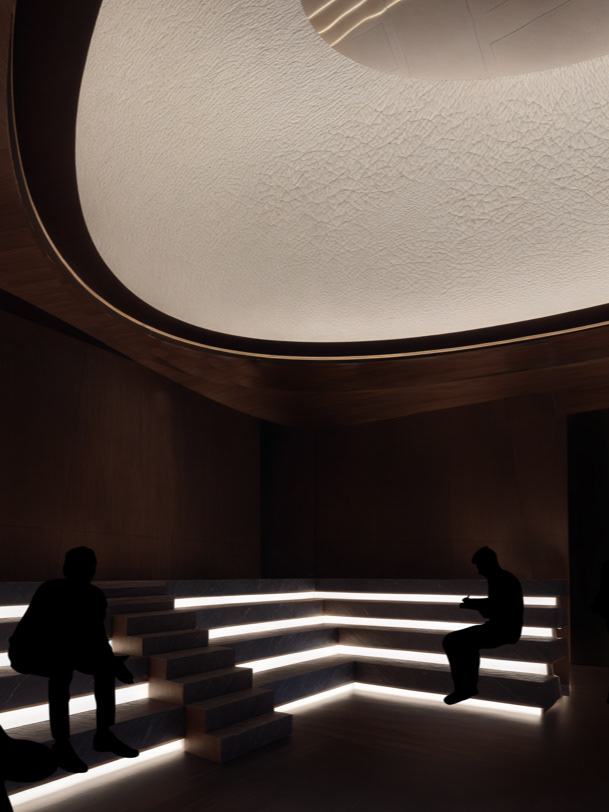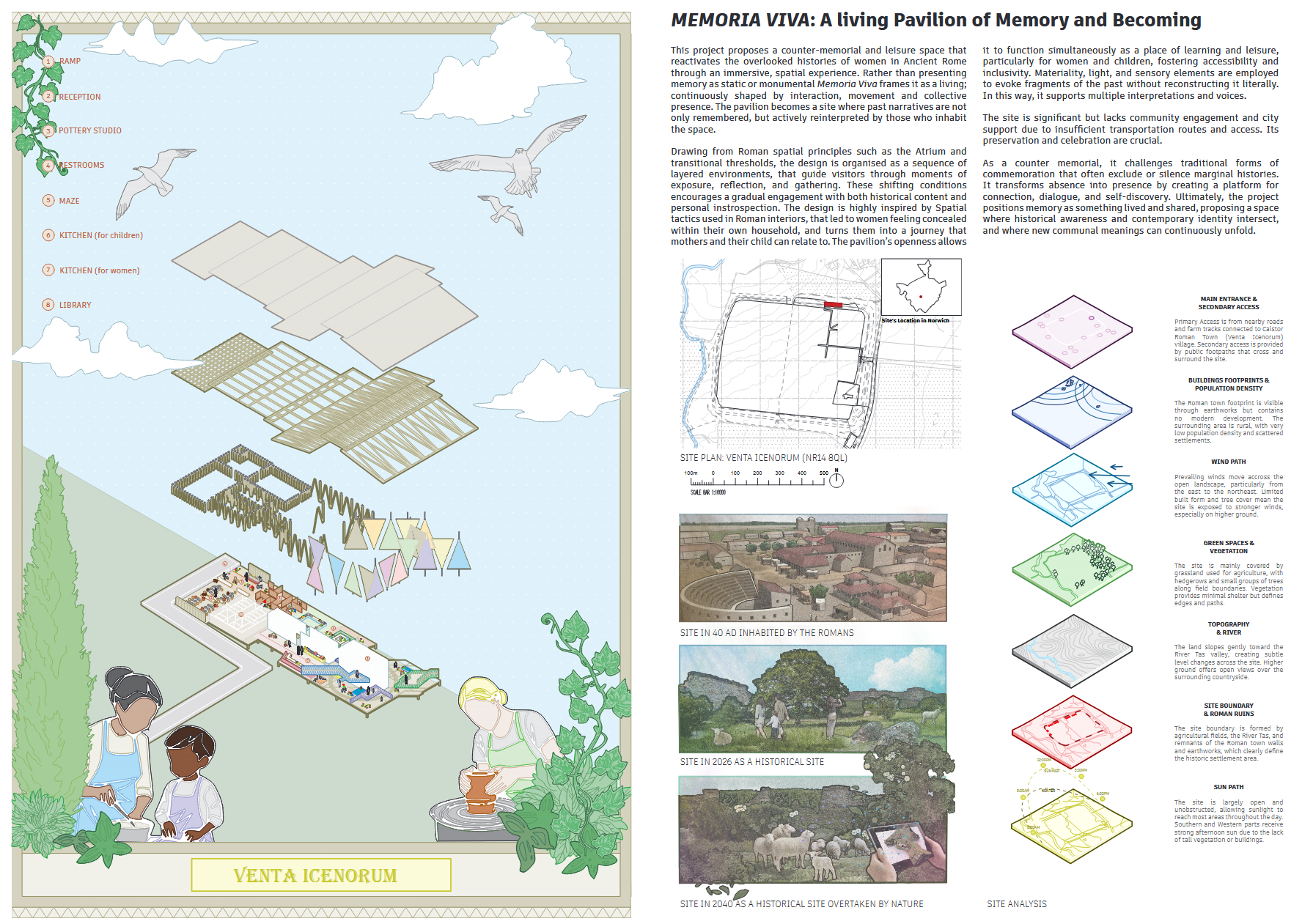
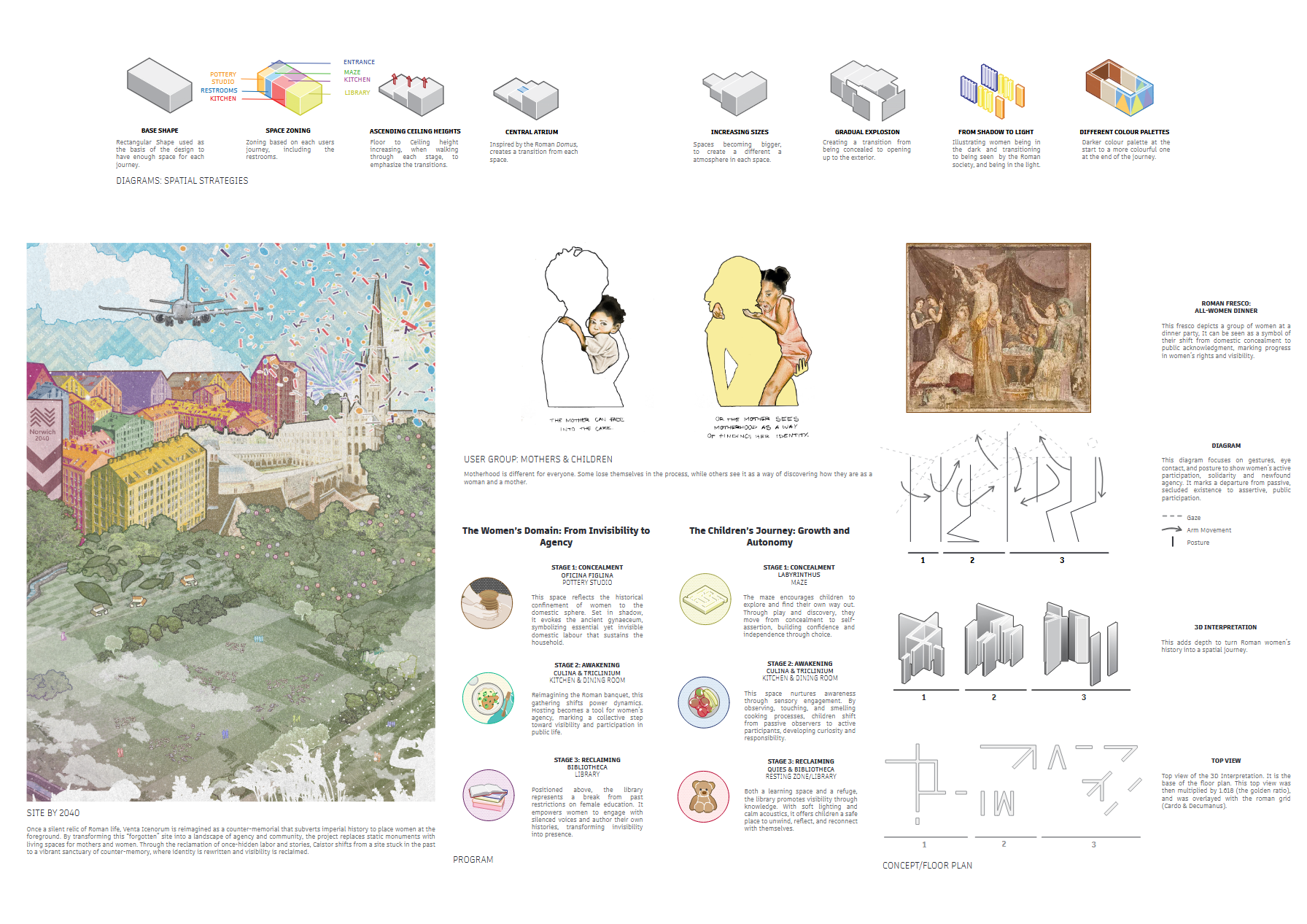
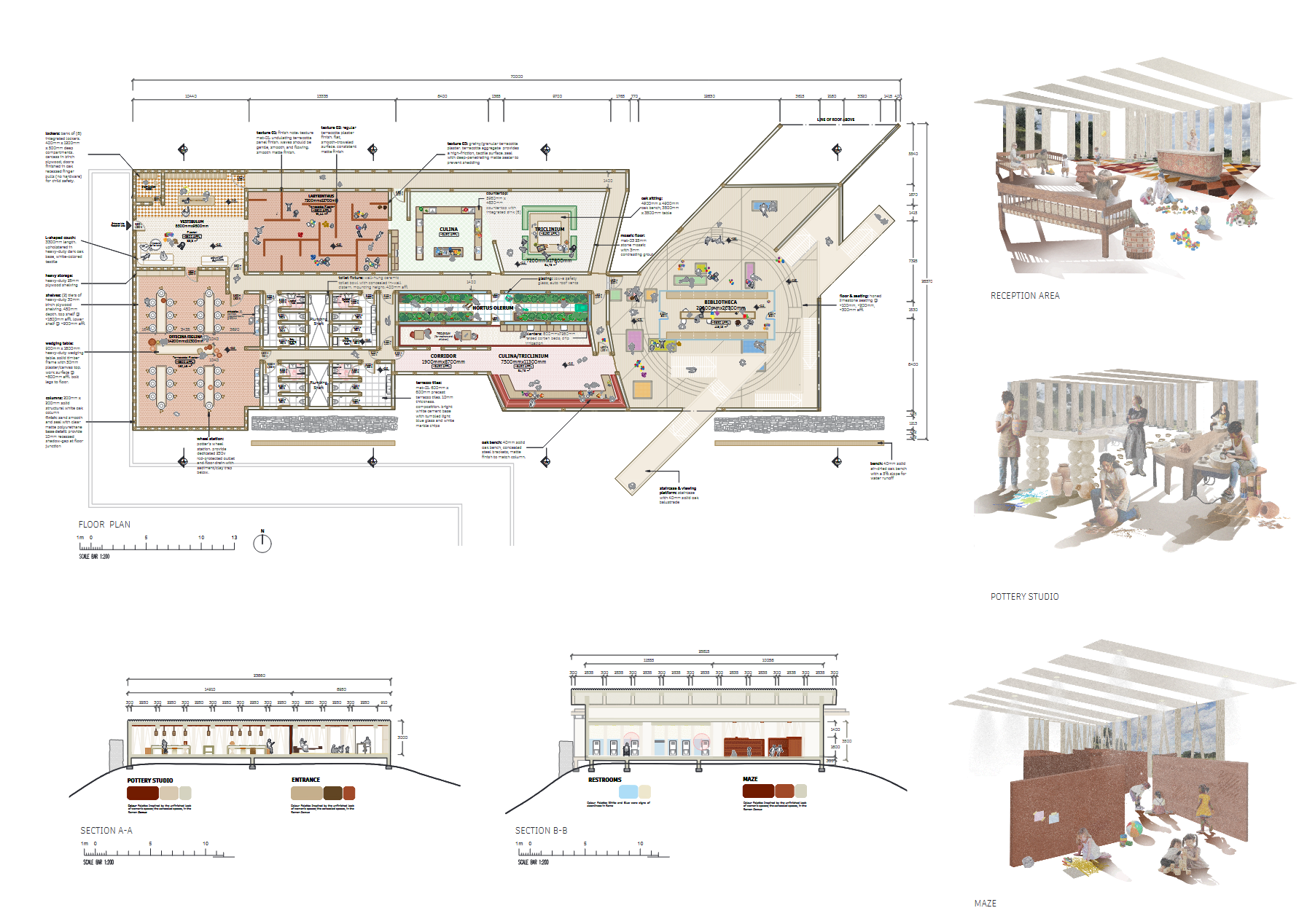
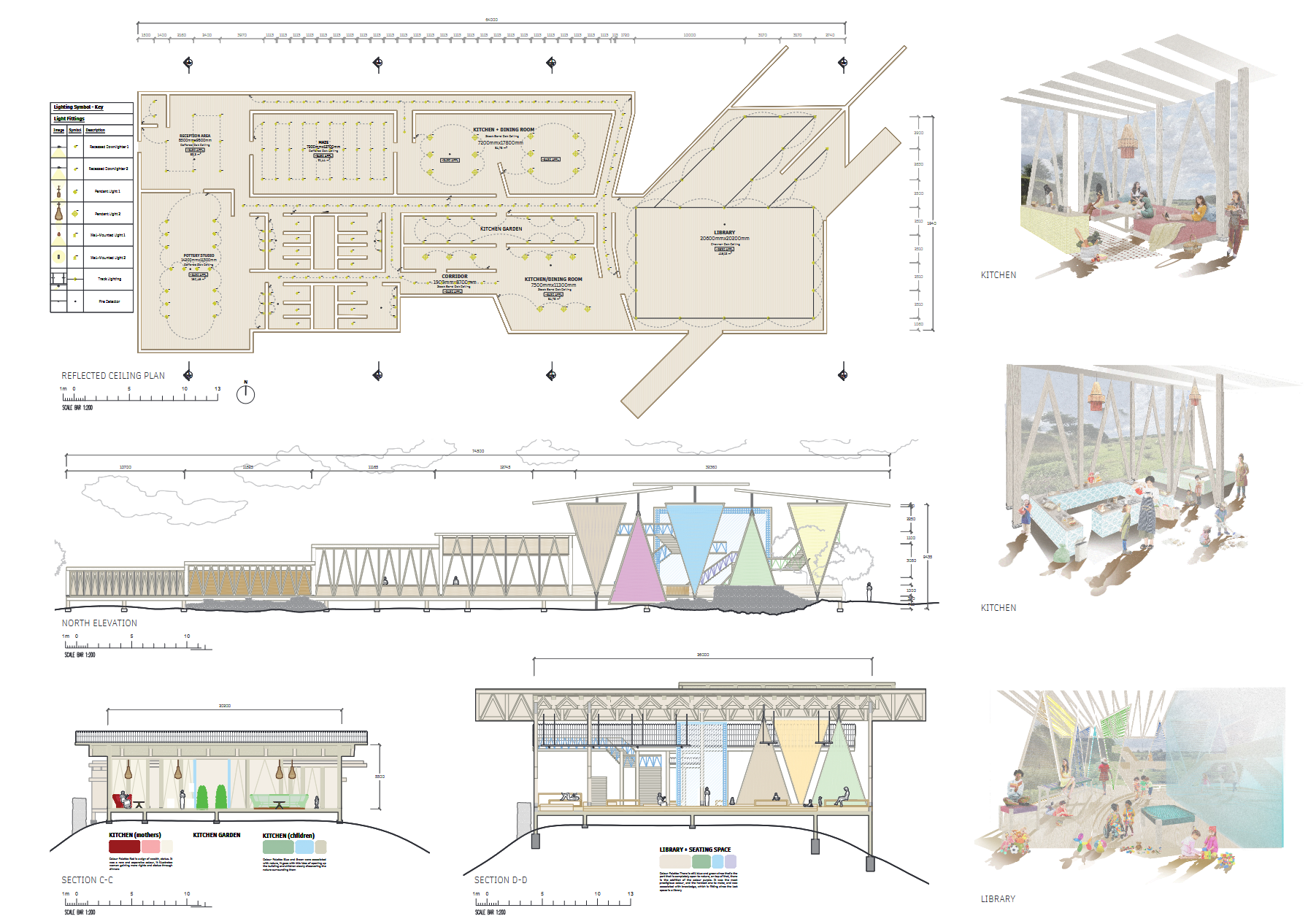

This project proposes a counter-memorial and leisure space that reactivates the overlooked histories of women in Ancient Rome through an immersive, spatial experience. Rather than presenting memory as static or monumental Memoria Viva frames it as a living; continuously shaped by interaction, movement and collective presence. The pavilion becomes a site where past narratives are not only remembered, but actively reinterpreted by those who inhabit the space. Drawing from Roman spatial principles such as the Atrium and transitional thresholds, the design is organised as a sequence of layered environments, that guide visitors through moments of exposure, reflection, and gathering. These shifting conditions encourages a gradual engagement with both historical content and personal instrospection. The design is highly inspired by Spatial tactics used in Roman interiors, that led to women feeling concealed within their own household, and turns them into a journey that mothers and their child can relate to. The pavilion’s openness allows it to function simultaneously as a place of learning and leisure, particularly for women and children, fostering accessibility and inclusivity.